Content advisory: this article discusses themes of suicide.
Today, on World Suicide Prevention Day, The Prince of Wales brought together leading athletes, sports organisations and suicide prevention experts to help harness the power of sport in preventing suicide.
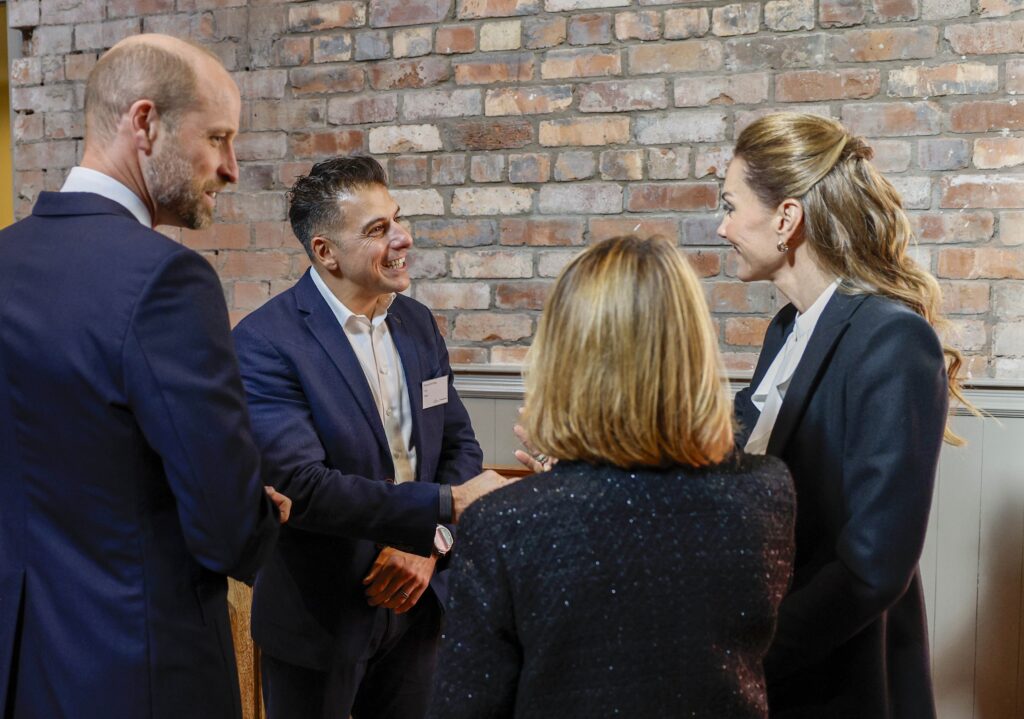
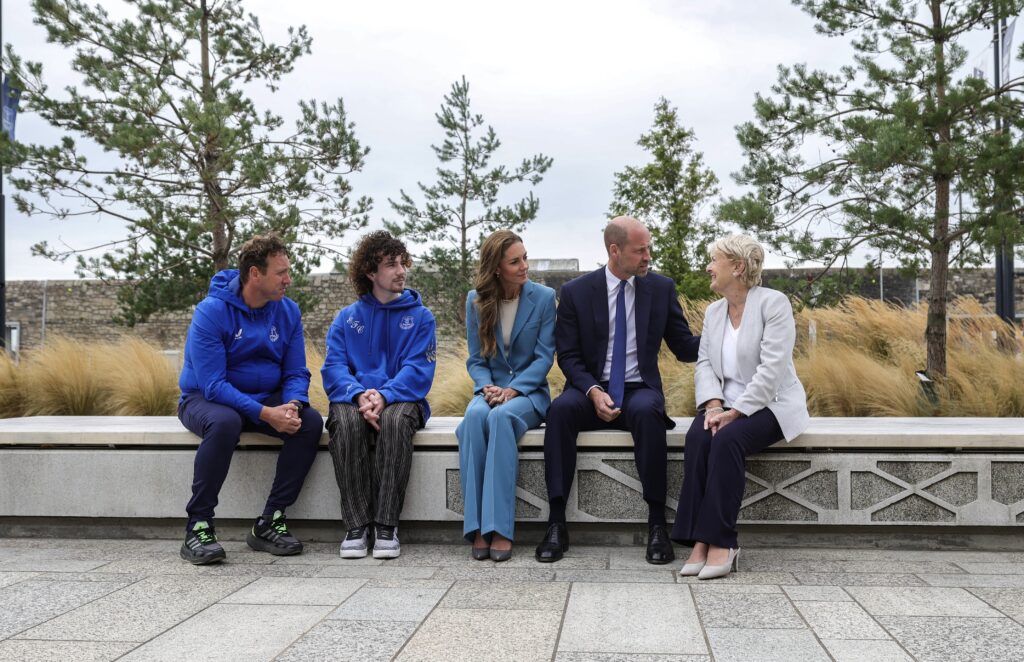
At Everton FC’s Hill Dickinson Stadium in Liverpool, His Royal Highness joined Dame Kelly Holmes MBE, Gabby Logan OBE, Jill Scott MBE, Sir Jason Kenny and Dame Laura Kenny, alongside leaders from across the sporting sector, to launch ‘On Your Side’ – a first-of-its-kind suicide prevention toolkit created specifically for sport.
Sport is a powerful force for connection, belonging and support. Across the UK – from grassroots clubs to elite organisations – sport has the potential to play a significant role in suicide prevention.
Yet while progress has been made in raising awareness of mental health, new research commissioned by The Royal Foundation shows there is further opportunity to equip the sector with the knowledge, confidence and practical tools needed to support those at risk of suicide.
The research found strong goodwill and examples of effective practice across sport, but also highlighted that suicide prevention activity is often siloed, inconsistent and unevenly resourced. Stigma – particularly among men and elite athletes – alongside gaps in skills, knowledge and resources, can make it harder for people to recognise warning signs and respond with confidence.
The ‘On Your Side’ Toolkit – co-produced in partnership with the UK’s national standards body British Standards Institution and mental health charity Chasing the Stigma – has been designed to move suicide prevention from good intention to everyday action.
To mark the launch, The Royal Foundation has produced a short film aimed at encouraging people to have the confidence to start a conversation about suicide. The film features footballer and England captain Harry Kane, Formula 1 driver George Russell, two-weight world champion boxer Carl Frampton, GB international basketball player Kofi Josephs, Women’s Rugby World Cup winner Rocky Clark, double world champion boxer, kickboxer and Muay Thai champion Ruqsana Begum and former elite jockey, turned jockey coach, George Baker.
The Toolkit has been created to help people involved in sport build the confidence to spot warning signs, start conversations and connect individuals with support before a crisis occurs. Developed with input from experts and partners from across the sports and suicide prevention sectors, it is the most comprehensive suicide prevention resource created specifically for sport. It will be available through Chasing the Stigma’s Hub of Hope, the UK’s largest mental health directory.
Designed for use across all sports environments – from local clubs and sports academies to elite organisations – the resource is relevant to everyone involved in sport, including players, coaches, staff, volunteers, families and spectators.
As part of the launch, organisations across the sports sector will commit to embedding the Toolkit within their own operations.
The Football Association, Premier League, Team GB and British Cycling are among those pledging to implement the Toolkit, while more than a dozen organisations have signed up as champions, committing to embed practical, evidence-based suicide prevention approaches within their organisations and help inspire wider action across sport.
This targeted outreach to the sports sector builds on The Royal Foundation’s long-standing commitment to tackling stigma around mental health and suicide prevention, while helping people find the right support when they need it.
It follows the launch of the National Suicide Prevention Network in 2025, backed by more than £1 million in funding from The Royal Foundation over an initial three-year period to help drive lasting change in how suicide is understood and prevented across the UK’s four nations.
By bringing organisations from across the sporting landscape together behind a shared approach, The Prince of Wales is helping equip the sector with the confidence, knowledge and practical approaches needed to support people earlier, encourage life-saving conversations and connect more individuals with help before a crisis occurs.